
The Future of Vehicle Diesel Engines: Developments, Opportunities, and Challenges
Discover the technological evolution, market outlook, and environmental prospects for vehicle diesel engines. Read in-depth analyses and practical recommendations.

- Technological Foundations and Current Context of Diesel Engines
- Research Background and Market Analysis
- Everyday Applications and Typical Use Cases
- Opportunities, Potentials, and Limitations
TL;DR: The future of vehicle diesel engines is marked by stringent regulations, technological evolution, and new opportunities for heavy-duty transport, but faces limitations in passenger vehicles. Make informed decisions now—learn more below.
Wissens-Highlight
Despite electrification trends and stricter emission standards, modern diesel engines remain indispensable in the commercial and logistics sector. The evolution of synthetic fuels and emission-reduction technologies extends the diesel engine’s relevance in selected applications.
Technological Foundations and Current Context of Diesel Engines
Vehicle diesel engines, long regarded as workhorses in transport and logistics, are at a crossroads. They face regulatory pressure but also benefit from ongoing innovation and adaptation to new fuels. Understanding their historical and technological evolution provides essential context for future strategies.
Diesel engines have become synonymous with efficiency, torque, and reliability, particularly in sectors like freight transport and agriculture. The introduction of common-rail injection, selective catalytic reduction (SCR) systems, and particulate filters has substantially reduced polluting emissions and improved fuel consumption. Looking beyond the urban horizon, diesel technology is woven into global supply chains and rural mobility alike.
- High energy density and efficiency make diesel indispensable for heavy-duty transport.
- Modern exhaust gas treatment systems drastically cut NOx and particulate emissions.
- Alternative fuels, such as HVO or e-fuels, are extending the engine's utility horizon.
Research Background and Market Analysis
The scientific landscape on diesel engines is nuanced. Recent studies highlight dramatic emission reductions achieved by Euro 6d-TEMP vehicles, while market data show a regional divide between declining private use and stable demand in commercial fleets.
According to research by the International Council on Clean Transportation (ICCT, 2023), state-of-the-art diesel vehicles comply with the strictest European emission standards under real-world conditions (ICCT, “Real-world NOx Emissions from Diesel Cars in Europe,” 2023, [accessed 2024-06-01]). Furthermore, the Allianz pro Schiene 2024 sector report indicates that over 75% of heavy road transport in Europe remains diesel-powered due to the lack of viable alternatives for long-haul and high-load applications.
| Kategorie | Wert | Interpretation |
|---|---|---|
| Diesel-Anteil Schwerlastverkehr (Europa) | 77% | Unersetzlich für Logistik, hohe Leistung |
| Flottenanteil Diesel-Pkw (Deutschland 2024) | 16,5% | Deutlicher Rückgang zugunsten alternativer Antriebe |
Everyday Applications and Typical Use Cases
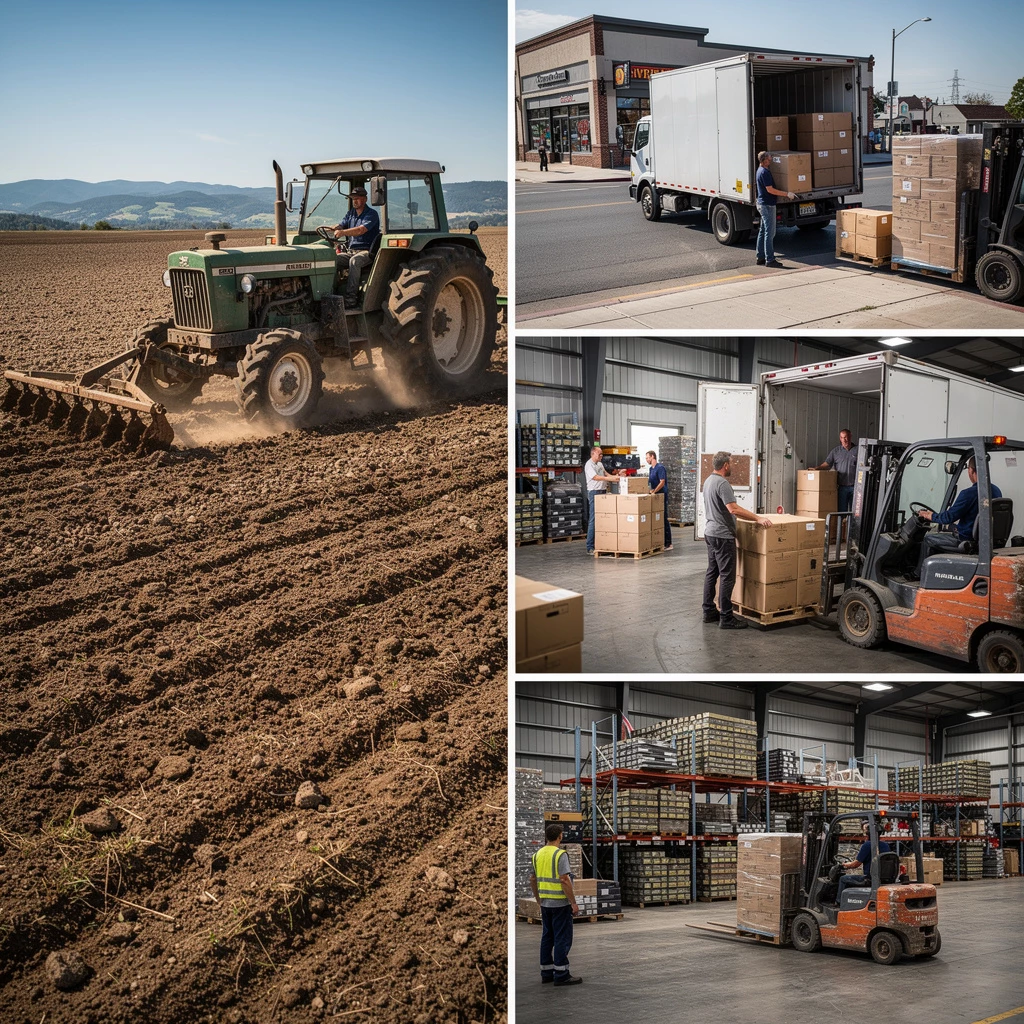
In daily life, diesel engines continue to power production and distribution logistics, from agricultural fields to long-distance freight corridors. They also remain crucial in fleets operating in rural or infrastructure-weak areas where alternatives lag.
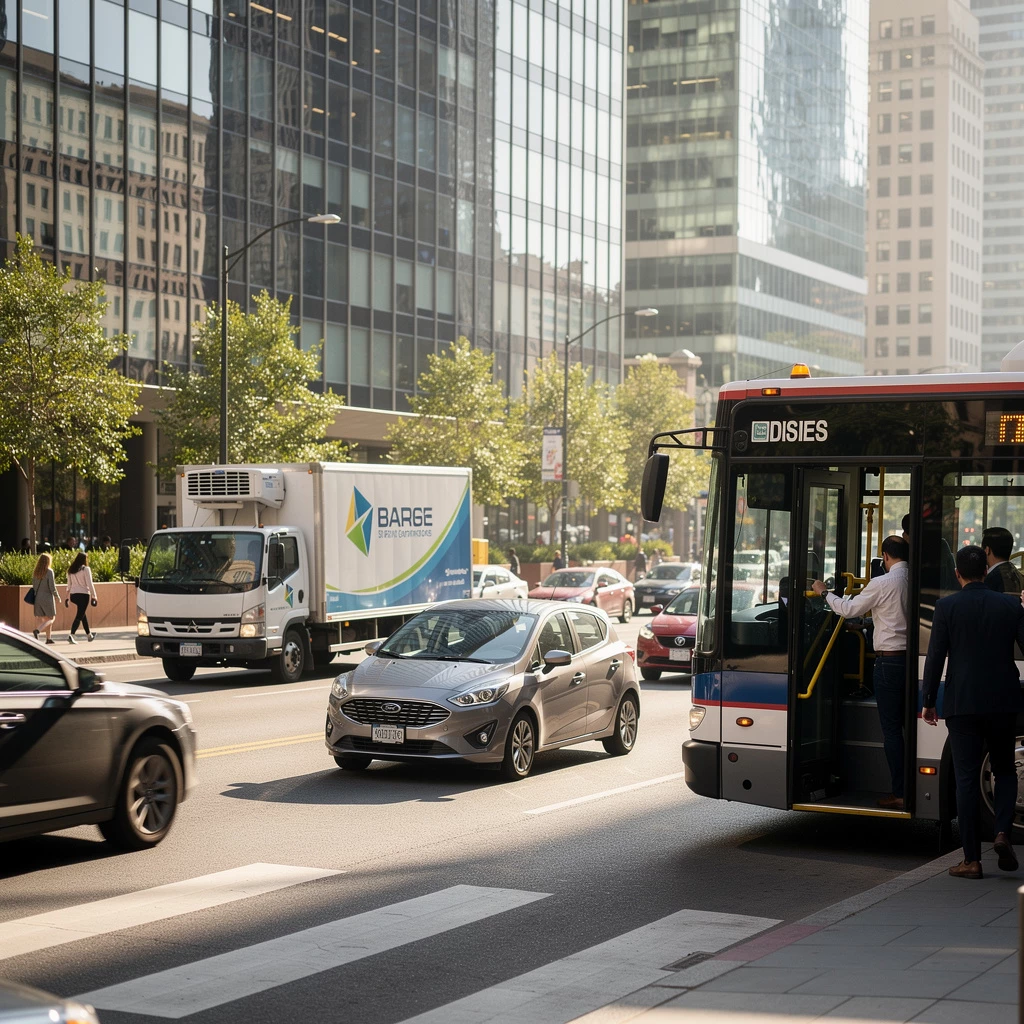
Case in point: A heavy-duty truck transporting fresh produce across Europe relies on diesel technology to balance range, payload, and refueling logistics. Municipal bus companies also utilize modern diesel hybrids to bridge gaps in charging infrastructure, while construction sites depend on diesel-powered machinery to meet high torque and reliability requirements even under adverse operating conditions. For many rural residents, diesel remains vital due to limited electrification and the reliability demands of harsh environments.
Finden Sie weitere spannende Artikel zum Thema Künstliche Intelligenz

Michael Maus - KI für Familien: Wie KI Wochenplan, Einkauf, Schule und Alltag organisiert

KI-Inhalte kennzeichnen: Was ab 2. August 2026 gilt
„Innovation meets necessity: Diesel engines evolve not just to survive in a changing world, but to remain essential for global mobility and heavy-duty needs.“
evolution24 Magazin, 2024
Checkliste für die Praxis
- Evaluate operational requirements before transitioning from diesel to alternative drives.
- Consider availability of refueling/charging infrastructure for your use case.
- Monitor emission standards and potential subsidies for modernization.
- Check the compatibility of existing fleets with synthetic or renewable fuels.
Opportunities, Potentials, and Limitations
The transition to climate-friendly transport highlights both the strengths and the limitations of diesel engines. While modern diesel technology still holds advantages in energy efficiency and logistics, it must contend with heightened emission scrutiny and the rise of electrification.
Diesel engines remain pivotal where range, payload, and rapid refueling are irreplaceable—most notably in logistics, agriculture, and emergency services. Synthetic and bio-based fuels, meanwhile, offer emission reduction without the need for entirely new infrastructures. Yet, the technology faces increasing operational restrictions in urban zones, financial burdens from regulatory compliance, and rising public opposition, especially in passenger vehicle segments.
Auf einen Blick: Vorteile & Nachteile
Vorteile
- High efficiency and range per tank.
- Mature, robust technology for demanding applications.
Nachteile
- Stringent regulatory and emission requirements.
- Declining acceptance and investment in passenger vehicles.
| Aspekt | Empfehlung | Quick-Win | Risiko |
|---|---|---|---|
| Fahrzeugflotte | Selective modernization | Upgrading to Euro 6d standards | Legacy fleet penalties, zonal bans |
| Brennstoffeinsatz | Test compatibility with HVO/e-fuels | Rapid emission reduction | Limited availability, price volatility |
Transitioning from diesel to alternative drives requires a comprehensive infrastructure analysis and may involve regulatory hurdles. Operators should also carefully evaluate TCO (Total Cost of Ownership) under changing legislative frameworks.

Zukunftsperspektiven & Trends
The road ahead for vehicle diesel engines will be defined by technological agility and policy developments. Industry experts expect diesel powertrains to remain highly relevant in the commercial vehicle sector through 2035 and beyond, driven by further advances in emission control, digital fleet management, and renewable fuels.
International markets display divergent dynamics: While Western Europe and China phase out new diesel cars, regions across Africa, South America, and parts of Asia rely on continued diesel imports to meet local infrastructure realities. Research into hydrogenated vegetable oil (HVO), Power-to-Liquid (PtL) e-fuels, and hybridization may further prolong diesel’s practical value in mixed-fleet contexts. Digital vehicle management and over-the-air updates integrate modern diesel engines into a broader smart mobility ecosystem. In the long term, cross-sector synergies—such as combined with biofuel, fuel cell, and battery technologies—are expected to determine the next chapter of the automotive landscape.
Konkrete Handlungsempfehlungen
Fleet operators and industry decision-makers are well-advised to pursue a phased approach: Analyze current and future needs, monitor technology and regulatory trends, pilot alternative fuels, and maintain flexibility in vehicle acquisition and infrastructure planning.
- Evaluate operational environment and mobility needs on a case-by-case basis.
- Embrace Euro 6d and compatible renewable fuels for immediate emission reduction.
- Explore hybrid diesel-electric or alternative drive integration in new investments.
- Stay updated with policy, incentive programs, and technological advancements.
Gain expert guidance on sustainable fleet management or subscribe for up-to-date industry analyses and insights.
Häufige Fragen zum Thema Dieselmotor
How long will diesel engines remain relevant in commercial transport?Analysts estimate that, due to payload requirements, rapid refueling, and existing infrastructure, diesel engines will stay significant in European and global heavy-duty transport at least until 2035, provided further emission improvements are achieved.
Can existing diesel vehicles be upgraded to meet new emission standards?In many cases, retrofitting with modern SCR catalysts and particulate filters allows older vehicles to reduce emissions significantly. However, not all vehicle types are compatible, and incentives or regulatory requirements differ by region.
What options exist for decarbonizing diesel fleets without full electrification?Synthetic fuels such as HVO or e-fuels enable lower carbon emissions without changing existing engines. Operators must ensure technical compatibility and factor in cost and availability for large-scale deployment.
Redaktioneller Ausblick
In an era of upheaval and transformation, the future of vehicle diesel engines encapsulates both memory and momentum: a legacy of reliable service meeting the imperatives of sustainability and innovation. As regulatory conditions tighten, system boundaries are redrawn, and alternative fuels reach maturity, the most enduring solutions blend technological adaptability with situational wisdom. This perspective will help shape decisions in industry and policy long after the headline debates have faded, securing essential mobility while opening doors to the next era of progress. „Dieser Artikel wurde in Übereinstimmung mit den redaktionellen Qualitätsrichtlinien von Michael Maus erstellt.“
Weitere Stichwörter zu diesem Artikel
Das könnte Sie auch interessieren

Benziner, Diesel oder Elektro: Auto-Kaufentscheidungen 2026 im Wandel

Wenn der Liter Super plötzlich Geopolitik studiert: Ölpreis, Sicherheit & Realität

Dieseltechnologie der Zukunft: Sauberer Kraftstoff für nachhaltige Mobilität

HVO, E-Fuels & synthetische Alternativen: Der Diesel wird grün

Verbrenner aus, Verbrenner wieder an – Die Kehrtwende der Mobilität